Pontil Integrations generates connectors to external products from their OpenAPI specs — without the implementation project, the onboarding cost, or the six-month timeline.

MuleSoft is for companies with a dedicated integrations team and eighteen months to spare. Zapier stops the moment the workflow gets complicated. So most teams write the connector themselves — and then maintain it forever.
The maintenance is the part nobody budgets for. A third-party API changes shape, something breaks in production, and an engineer drops what they're doing to find it, diagnose it, and patch it — until the next upstream change, when it happens again. It's a steady, recurring tax.
88% of companies troubleshoot API issues every week, and 60% say they spend too much time doing it — the roadmap leaking away an hour at a time.

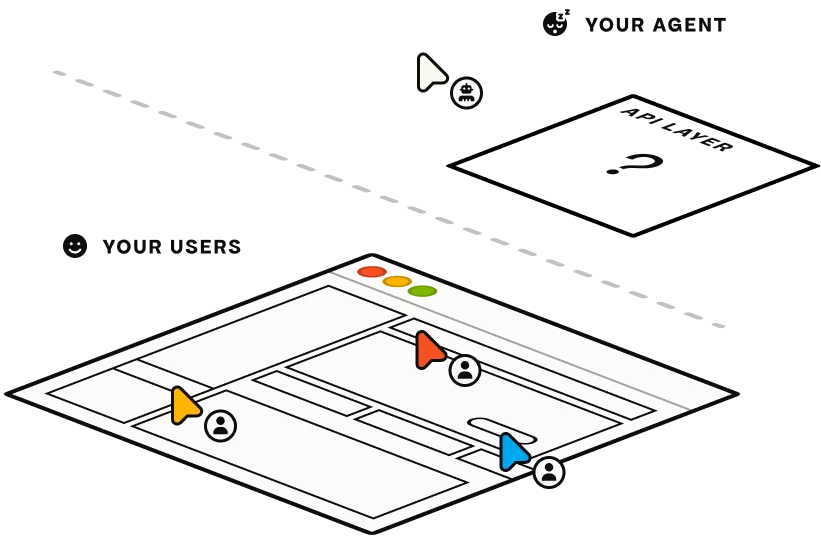
Pontil Integrations generates and maintains connectors to external products from their OpenAPI specs, so your product can reach the tools your customers already use — without your engineers hand-writing and babysitting bespoke connector code.
It's built for the integrations that matter most and break most often: the specific, engineering-grade connections to the systems your customers actually depend on. Not the long tail of no-code automations — the bespoke connector that would otherwise become code your team owns and maintains forever.
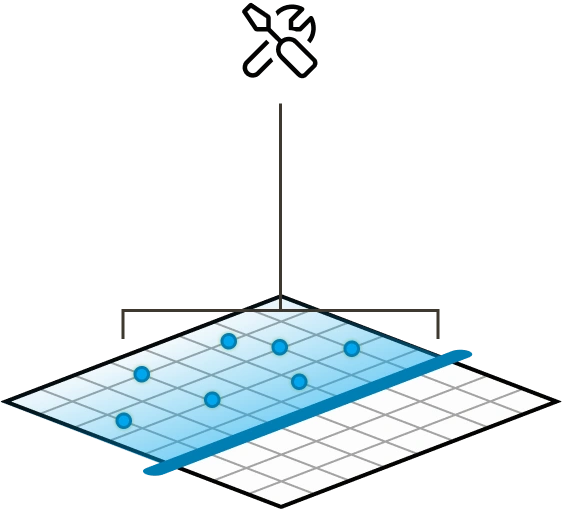
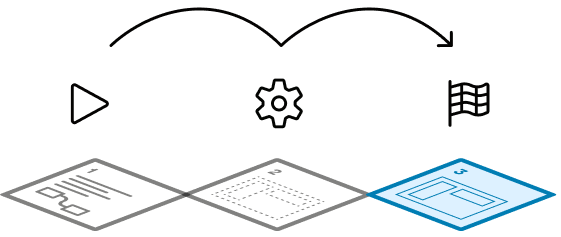
Point Pontil at the OpenAPI spec for the external product you need to connect to. No custom connector work, no manual mapping.

Structured, executable integration definitions, ready to run through Pontil's managed runtime. No infrastructure to operate on your end.

Pontil assesses the impact, generates updates, runs tests, and flags anything that needs human sign-off. The connector doesn't quietly break when an upstream API changes underneath it.

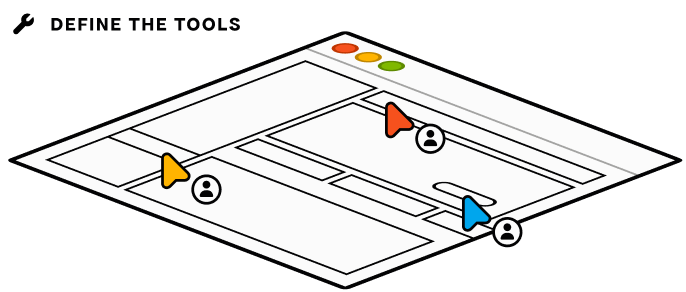
Define what your product does with the data. Leave the connection layer to us.

An iPaaS moves data between third-party systems with a workflow builder. Pontil Integrations generates a bespoke connector to a specific external product and keeps it maintained as that product's API drifts. If the problem is "we need a reliable, maintained connection to this one system, without owning connector code forever", that's the job. If it's "we want non-engineers wiring up automations between a dozen SaaS apps", that's an iPaaS — and we'll tell you so.
Because the connector is regenerated when the spec changes, the failure mode that eats engineering time — silent drift when an upstream API changes shape without warning — is caught before it reaches production.
Connect forward, to AI agents
Connect outward, to customers and partners
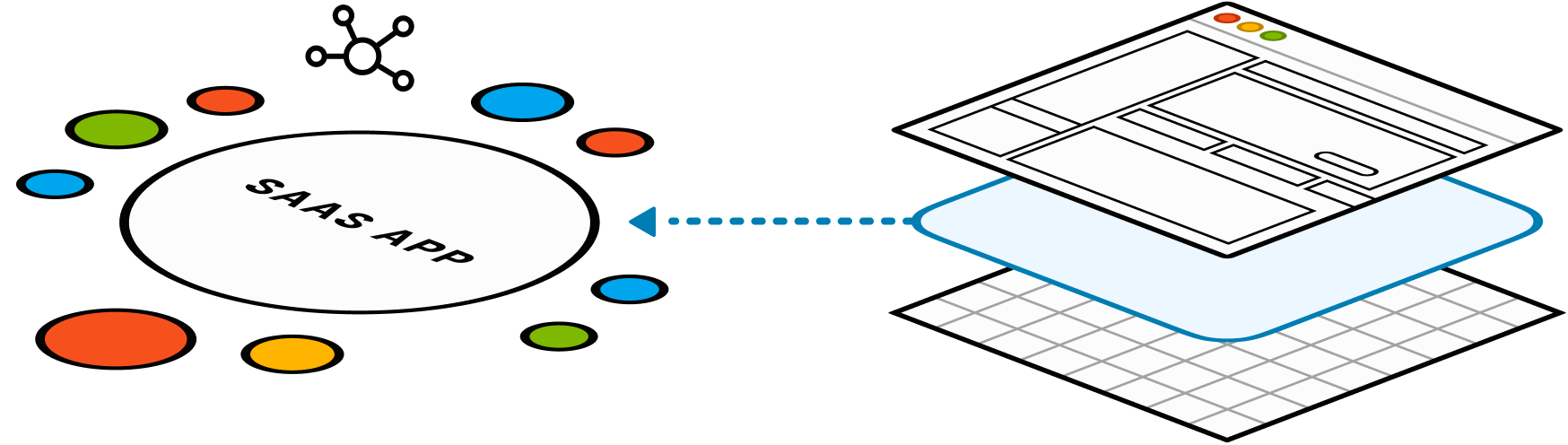
Connect inward, to the external tools your users need
One engine — generation, runtime, and maintenance — pointed three ways. See how it works across all three, or read the security model for the trust-boundary and auth detail.
No. Pontil Integrations isn't workflow automation between SaaS apps and doesn't compete with Zapier, Make, or Workato. It generates bespoke, maintained connectors to specific external products — the engineering-grade integrations those no-code platforms aren't built for.
A clean spec is what the generator works from today, so spec availability is the first thing to check. If the target doesn't publish one, that's a conversation worth having directly — bring the specific integration to a call and we'll be straight with you about what's possible.
You re-point Pontil at the updated spec; Pontil assesses the impact, regenerates, runs tests, and flags anything needing sign-off. The maintenance burden doesn't land on your engineers the way a hand-written connector does.
Through Pontil's managed runtime — the same execution layer behind Pontil Tools. There's no separate integration infrastructure for your team to operate.
Opposite directions. Headless generates your product's API surface for others to consume (outward). Integrations generates connectors so your product can reach external tools (inward). Same engine, same runtime.