pontil headless

Your customers want to integrate. Your API wasn't built for it.

Pontil Headless generates a public API layer from your existing codebase — so customers and partners can integrate with your product without your team building or maintaining that surface from scratch.

The problem

Customers want to integrate. Your API is the blocker.

Enterprise deals are getting harder to close without a programmable API. Customers want to connect your product to their stack; partners want to build on it. Procurement now treats integration as a buying criterion — but the API you built for internal use was never designed for external use at scale.

The familiar options don’t close the deal in front of you: a two-to-five-year rewrite, a dedicated API platform team, or fielding integration requests one at a time. Meanwhile, the demand keeps arriving.

84% of SaaS buyers say integrations are very important or a dealbreaker in their purchasing decision — and API-first is now near-universal, with 82% of organisations adopting it to some degree.

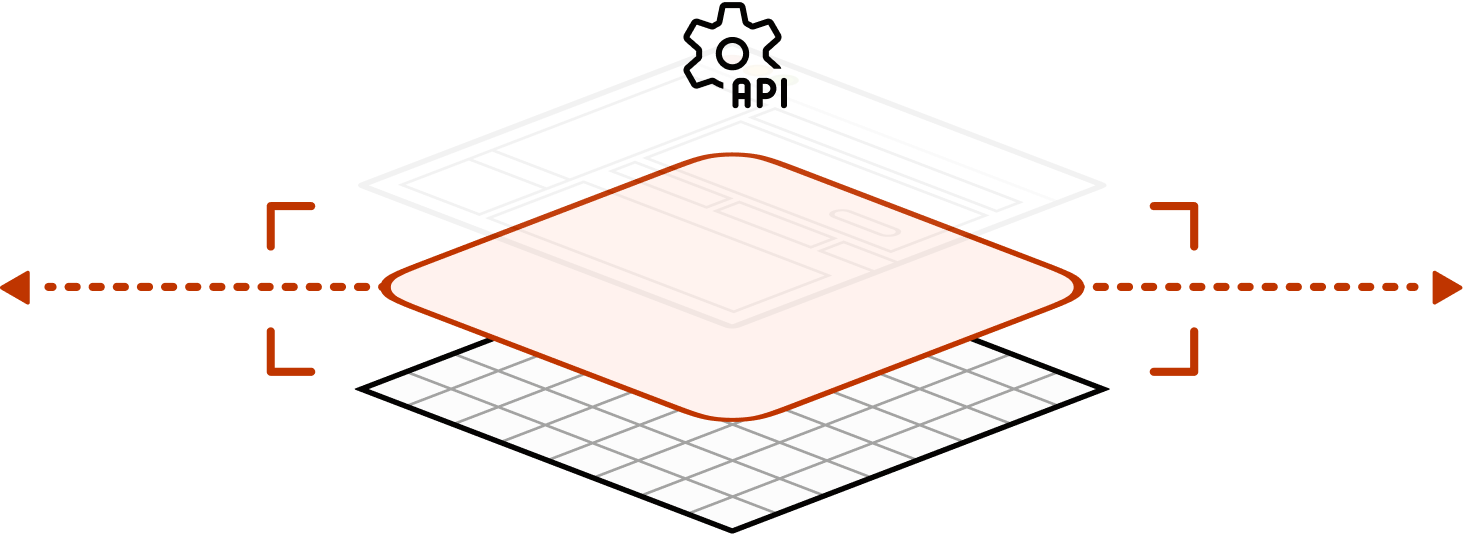
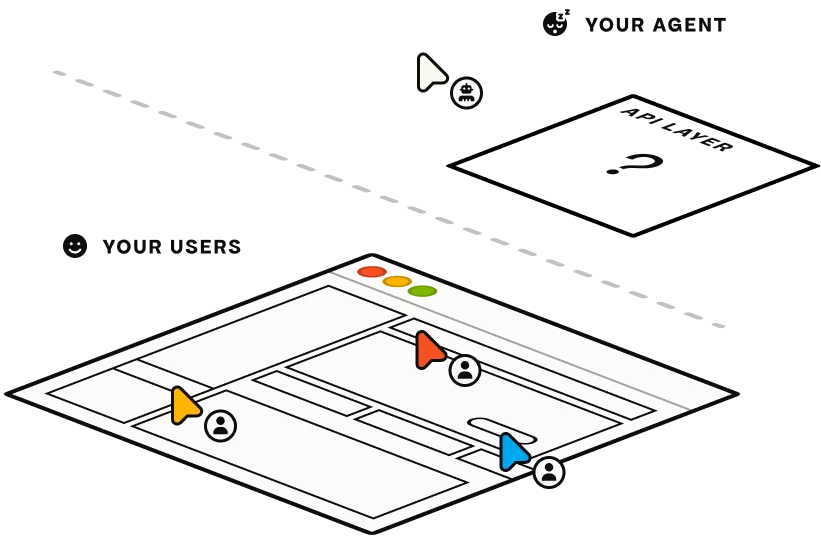
Diagram showing how Pontil connects AI agents to existing platform APIs

“84% of SaaS customers say integrations are either very important or a dealbreaker.”

Paragon, PartnerStack and PartnerFleet, 2025
how pontil works

The API layer, generated and maintained for you

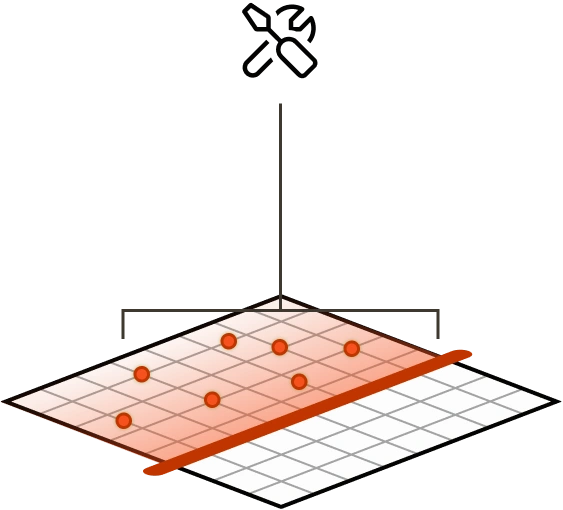
Pontil Headless is the API generation layer — the outward-facing direction of the platform. It reads the capability already in your codebase and generates a maintained, versioned public API surface your customers and partners can build against, without your team hand-building and hand-maintaining that layer.

This is connectivity pointed outward: exposing your own product to the people who want to integrate with it — the producer side, not pulling third-party data in.

01 — Generation and sync

Pontil scans your codebase

No new API surface to build, no manual documentation. The scanner reads what's already there and generates structured, versioned API definitions from it.

02 — Mapping

You control what gets exposed

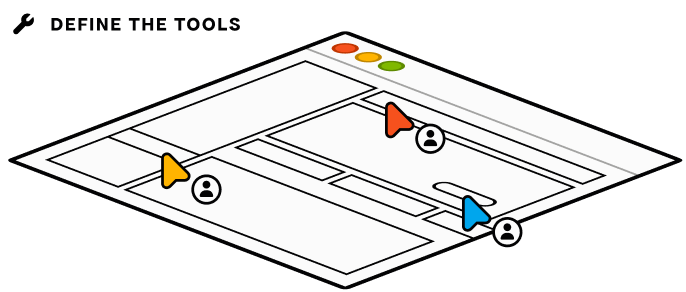
Your team decides which capabilities are surfaced externally. Destructive operations aren't exposed by default. You define the contract your customers build against.

03 — Runtime

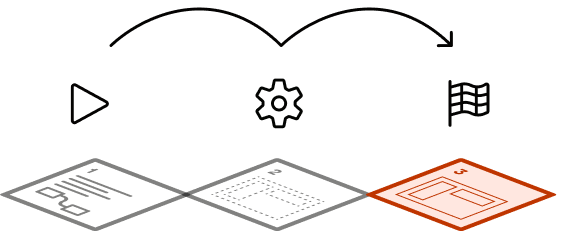
A maintained public API layer is generated

Versioned endpoints, generated documentation, and error handling — ready for customers and partners to build on. Not a one-time export: a maintained layer that stays current as your product changes.

04 — Ongoing maintenence

Your product changes, the API keeps up

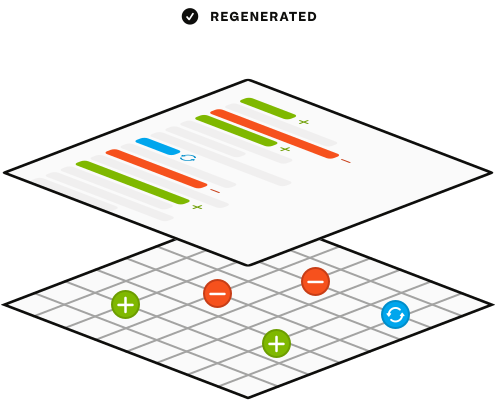
When your codebase evolves, Pontil detects the impact, generates updates, runs tests, and flags anything that needs human approval before it ships. The external contract doesn't quietly drift away from the product behind it.

Automatic regeneration icon

“82% of organisations have adopted some level of an API-first approach, with one in four now fully API-first.”

postman, state of the api report, 2025
Pontil headless

Where Pontil fits

An embedded iPaaS exposes third-party systems to your customers inside your product. Pontil Headless does the opposite — it exposes your own product to your customers and their systems. If the demand you're hearing is "we need to integrate your product into our stack" or "our partners want to build on you", that's the producer-side job Headless does and an embedded iPaaS doesn't.

Because generation runs against your own codebase, the surface stays tied to the product by contract — when the product changes, the layer is regenerated and tested, not discovered broken by a customer in production.
RESOURCES

Go deeper

Platform integration

Agent infrastructure

SaaS integration in the agent era: why the old playbook breaks

9 minute read

API strategy

Platform integration

How agent-readiness is reshaping SaaS competition

4 minute read

API strategy

Agent infrastructure

Your APIs expose 2% of what your product can do

4 minute read

pontil

One platform, three solutions

One engine — generation, runtime, and maintenance — pointed three ways. See how it works across all three, or read the security model for the trust-boundary and auth detail.

Frequently asked questions

Is this just an API gateway?
Do we need an existing API spec for this to work?
Who owns the contract our customers build against?
What stops the public API drifting out of sync with the product?
How is this different from Pontil Tools?