01
Rewrite the API layer
Two-to-five-year project. Competes with the product roadmap. Doesn't get funded.
rejected
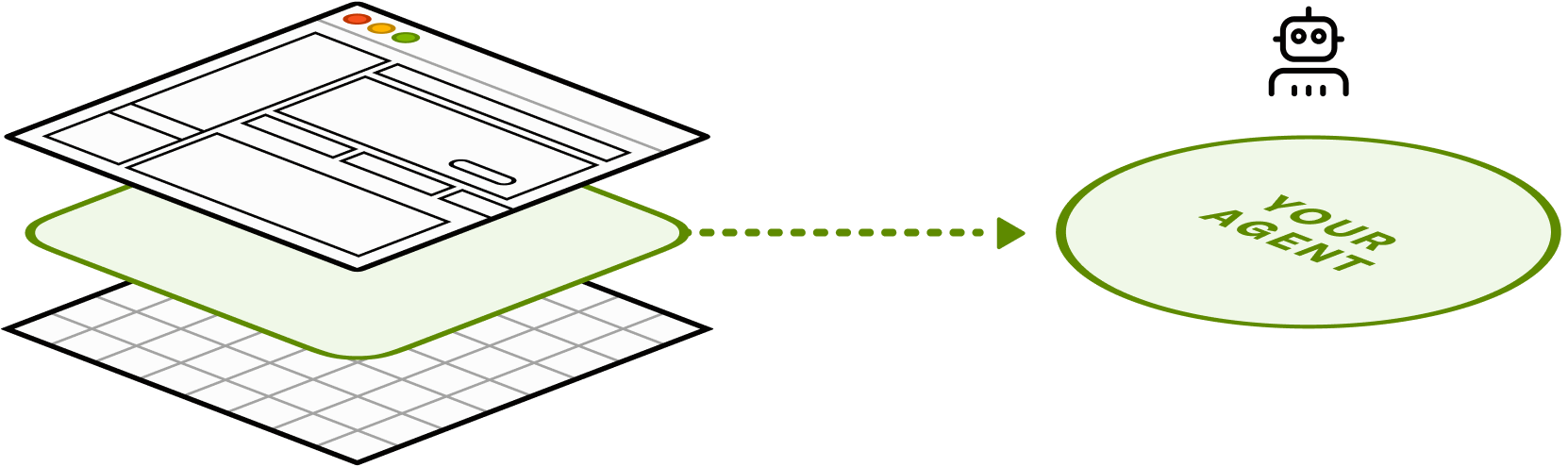
Outward to customers and partners. Across to the external tools your users depend on. And to the AI agents now automating the work inside it. Pontil generates and maintains that connectivity layer from your existing codebase — without a rewrite.
SaaS products spent years being built for the interface. The work went into the screens. The API kept up with some of it; most of it, it never did. Now the demand to connect is coming from three directions at once — and the same gap blocks all of them.
A customer or partner asks for programmatic access, and the API was never built to be consumed externally. Your users expect the product to talk to the external tools they already run, and your team is hand-writing connectors to keep up. An agent project works in the sandbox and stalls in production, because the product's API doesn't expose what the agent needs to act on.
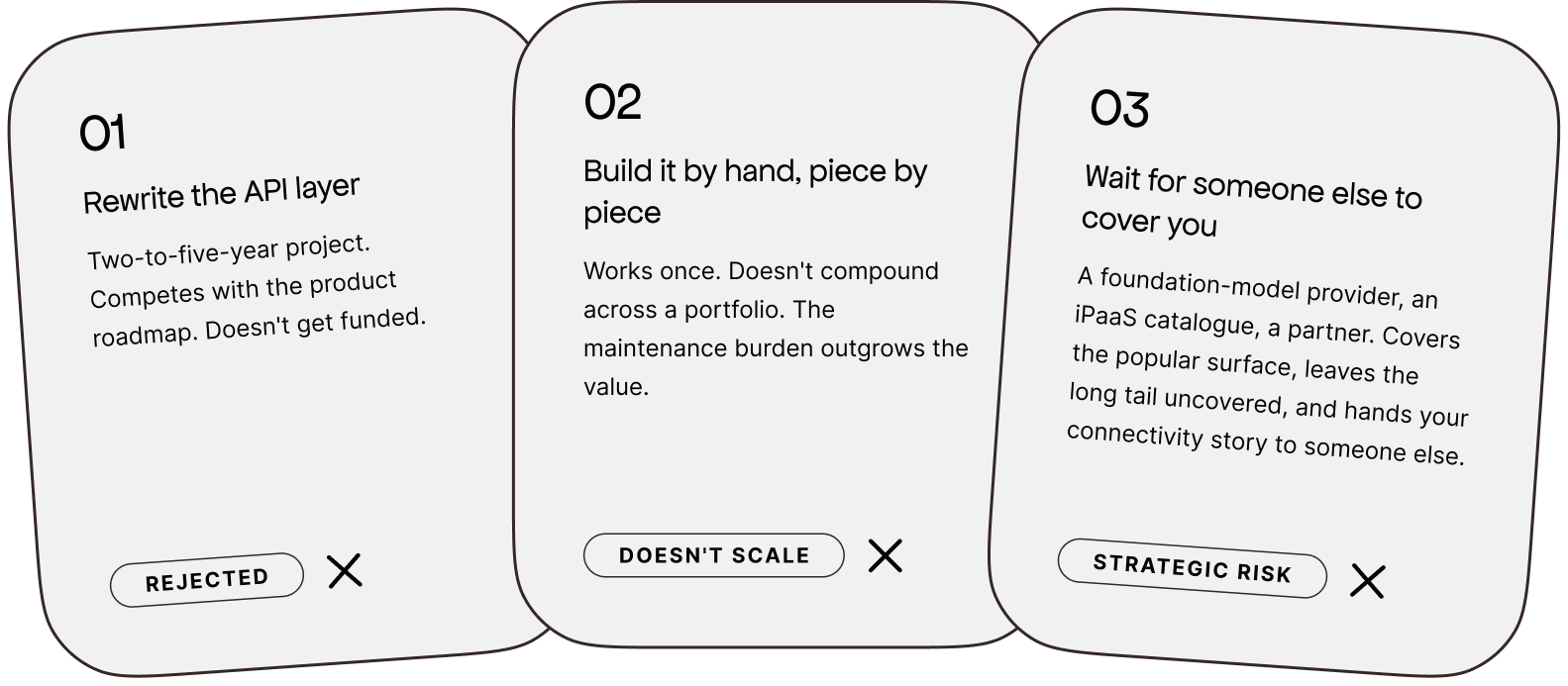
Pontil generates the connectivity layer from the code you already have — and maintains it as the product changes. One engine, pointed outward to customers, inward to external tools, or forward to agents. No rewrite.
Want to talk through the specifics for your environment?
Pontil runs on a single engine. It scans your codebase — or ingests an OpenAPI spec — and generates structured, versioned definitions for what your product can do. It runs them through a managed execution layer with retries, rate limiting, auth, and observability. And it maintains them: detecting changes, assessing impact, regenerating, and running tests, with human approval required before anything ships.
What changes is the direction you point it — and who you're connecting to. The shared engine is what makes Pontil a platform rather than three separate products to buy, learn, and operate.
Generates and maintains a public API surface from your existing codebase, so customers and partners can integrate with your product programmatically — without your team building or maintaining that layer from scratch.
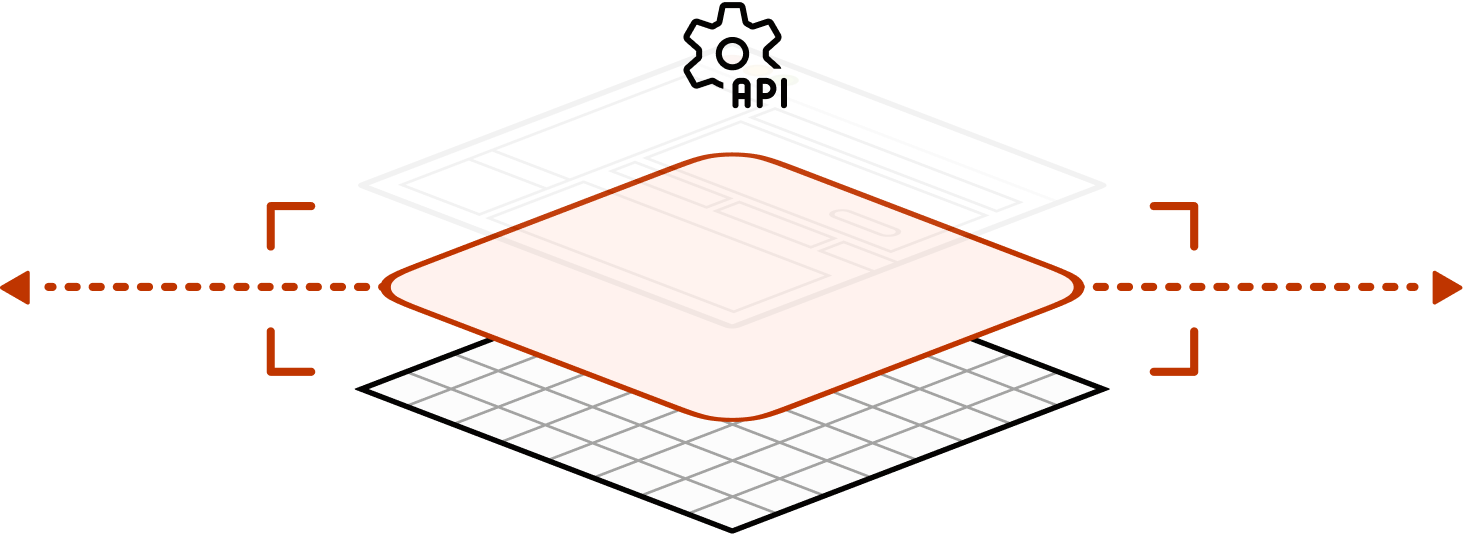
Generates and maintains connectors to external products from their OpenAPI specs, so your product can reach the tools your customers already use — without engineers writing and babysitting bespoke connector code. Deliberately not an iPaaS.
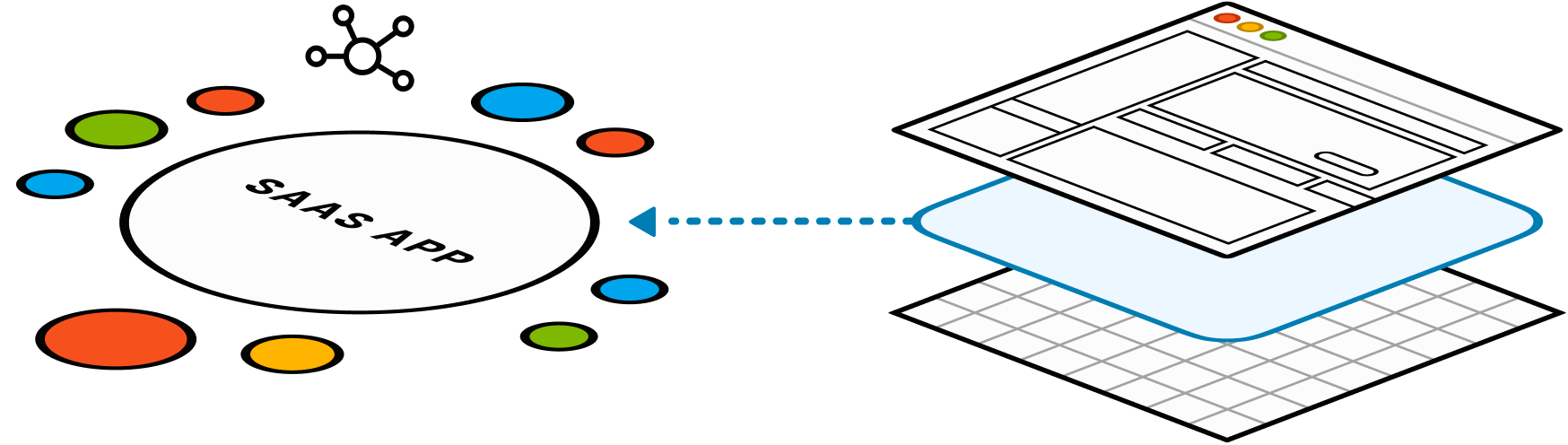
Generates and maintains agent-ready tools from your codebase and surfaces them at runtime through an SDK, so agents can act on your product's full capability — at the authenticated user's permission level, without a backend rewrite.
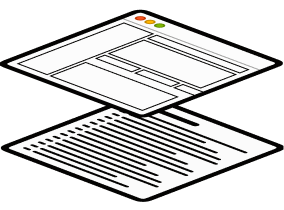
You probably look like this if your customers live in one industry and your product runs deep workflows that exist nowhere else.
The UI is rich. The API was built for the integrations that mattered most. Now customers want API access, their users want it connected to their other tools, and agents are on the roadmap — and none of it reaches what the UI does.
With Pontil: Connectivity is generated from the codebase, not from the published API — in whichever direction the demand is coming from.
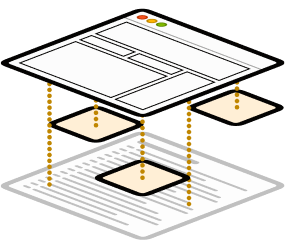
You probably look like this if you sell a portfolio. Each product has its own backend, its own API patterns, its own team.
A connectivity rewrite for one product is hard enough. Across the portfolio it's a non-starter — and the demand spans all of it.
With Pontil: The engine runs across the portfolio in parallel. One platform, one approach, every product, every direction.
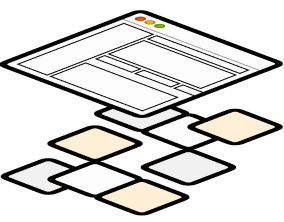
You probably look like this if you run dozens of internal platforms — some ancient, some new, none built to connect.
Teams want internal agents, copilots, and integrations that can actually do things. The platforms behind those workflows are sprawling, undocumented, and impossible to rewrite at portfolio scale.
With Pontil: The scanner runs against each app where it lives, generates the connectivity without a rewrite, and keeps it current as the apps evolve.
Don't see your product here? Talk to us anyway.
Data never leaves your trust boundary. Pontil runs inside the infrastructure you already operate, authenticates as your users — never a shared service account — and writes audit trails your security team can read the same way they read everything else.
Want to talk through the specifics for your environment?
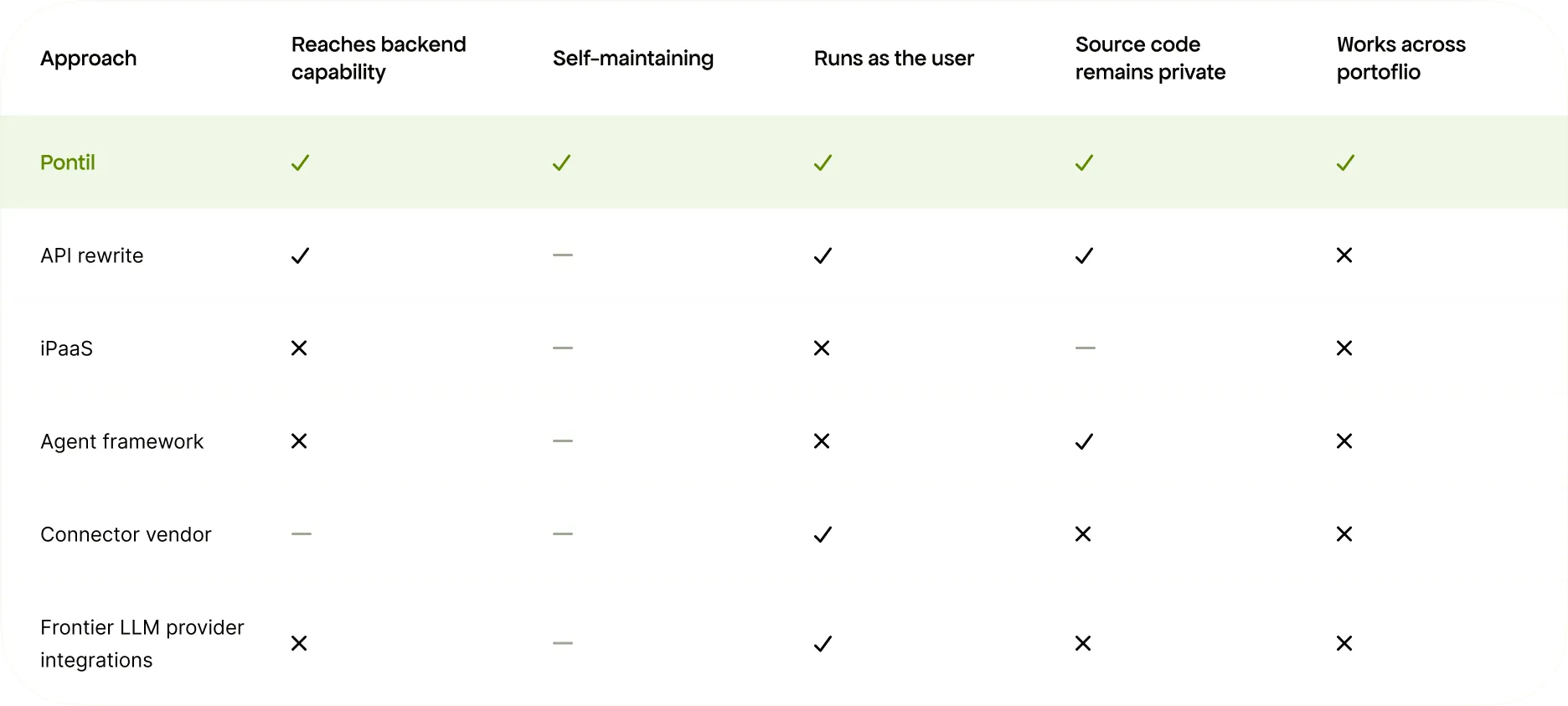
Generic categories, no named vendors. The alternatives aren't wrong — they don't fit the size of the problem, or they only cover one direction of it. Use this to map Pontil against the play your team has already considered.
API rewrite
iPaaS
Agent framework
Connector vendor
Want to talk through the specifics for your environment?
GET STARTED
Start with a 30-minute discovery call




contactus@pontil.com