for CTOS

Your product was built to be used.
Now it needs to be connected.

Customers want to integrate with it. Your users depend on external tools. Agents are starting to act on it. Pontil generates and maintains that connectivity layer — from your existing codebase, without a rewrite.

The problem

Connectivity debt compounds like technical debt

Every product reaches the point where something outside it needs to reach in — a customer's integration, a partner's system, an external tool your users live in, an agent automating the work. Most products weren't built for that.

Building it after the fact is slow, and maintaining it as the product changes is slower. A rewrite is the clean answer the business won't fund. So the debt sits there, and every quarter it costs more.
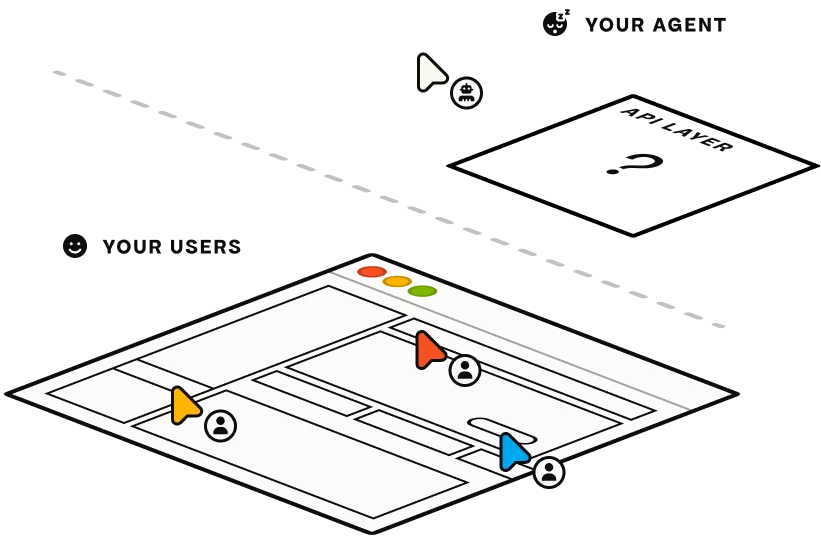
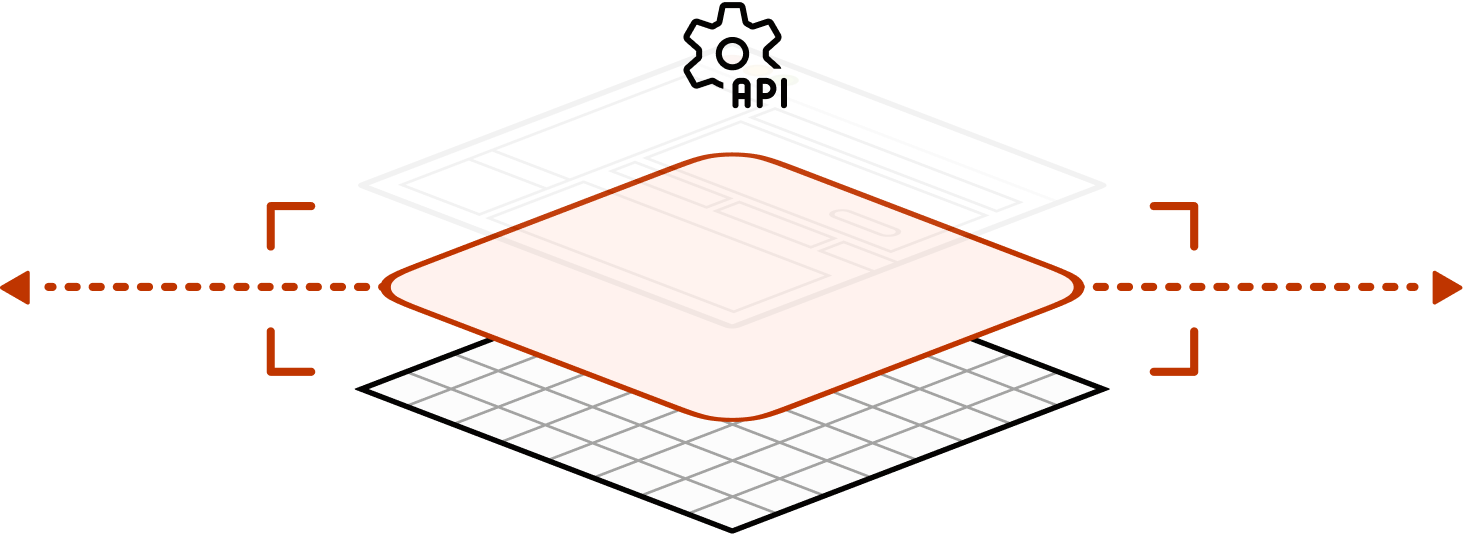
Diagram showing how Pontil connects AI agents to existing platform APIs
HOW PONTIL WORKS

One platform. Three directions of connection.

Pontil is one platform with three modules. Same engine, same maintenance model — pointed in whichever direction the pressure is highest.

01

Pontil Headless

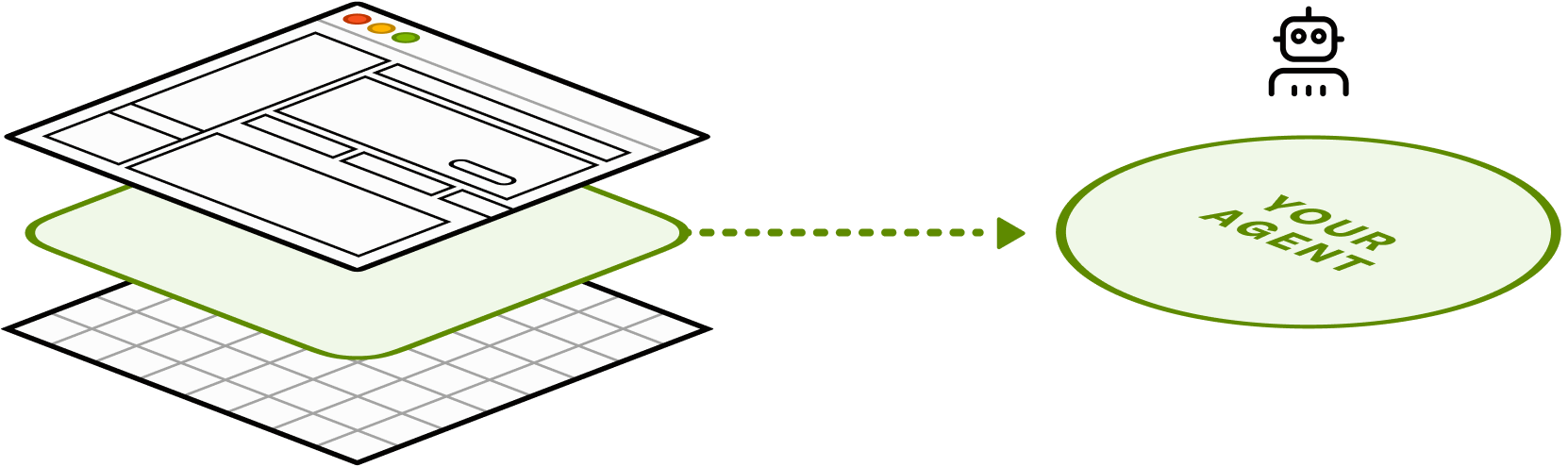
Connect your product outward, to the customers and partners who want to integrate with it.

02

Pontil Integrations

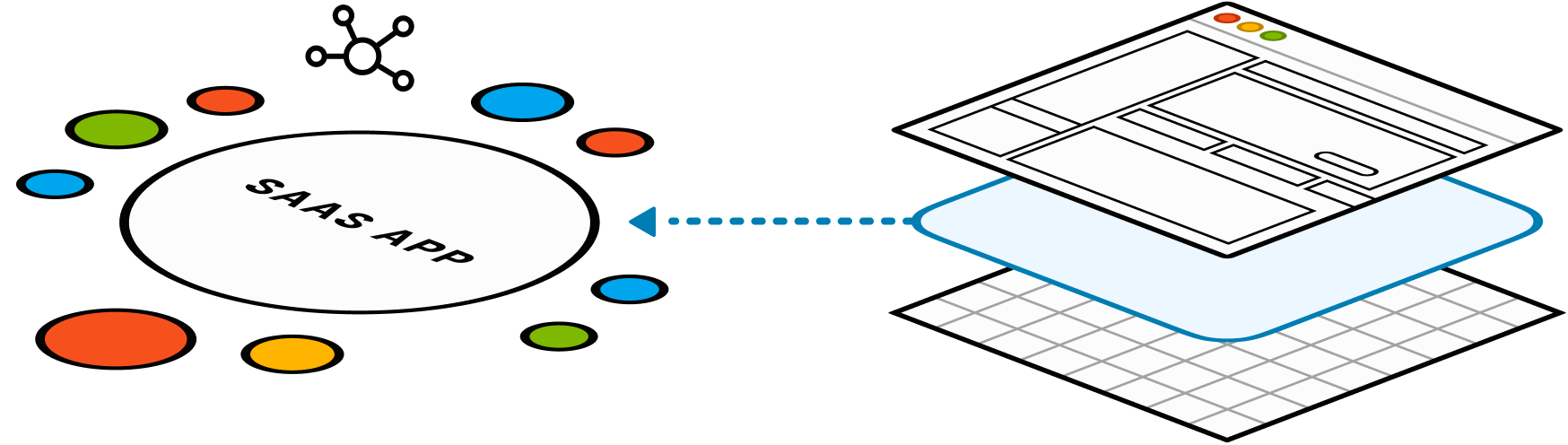
Connect external tools inward, so your product can reach the systems your customers already depend on.

03

Pontil Tools

Connect your product to AI agents, so they can act on its full capability — not just what your public API exposes.

You don't need to solve all three at once. Most companies start where the pressure is highest, and expand as their needs do.

build vs buy

One engine, not three projects.

The same generation and maintenance model serves all three directions. A module you buy now has an obvious path to the next one.

You operate on systems you own. Pontil generates from your codebase and runs in your infrastructure. Your CI, your tests, and your observability apply the same way they apply to everything else.

You keep your optionality. Protocol-agnostic by design. You're not betting the strategy on one protocol or one provider.

Your security model stays intact. Calls run as the authenticated user, not a shared service account. Connecting your product to agents doesn't mean rebuilding permissions.

Humans decide what's exposed. The people who know each product approve what gets connected.

why pontil

What this frees up for you.

Your engineering team stays focused on the product. Pontil handles the connectivity layer, and keeps it current as things change. The agent project, the partner integration, the customer that needed an API you didn't have — they stop being roadmap fights.

Diagram of Pontil's security architecture and data boundary

Frequently asked questions

Why now? Can we wait twelve months for the space to settle?
How is this different from what OpenAI or Anthropic will build?
What's our exposure if Pontil changes or goes away?
My team says they could build this in six months.