Customers ask for integrations you can't ship. Users want your product to reach the tools they already run. Buyers are starting to ask whether agents can act on it. Pontil connects your product in all three directions — from your existing codebase, without a rewrite.
Integration used to be a line item in the sales process. Now it's a gate. Enterprise buyers ask what you connect to before they sign. Competitors are announcing agent capabilities and using them to differentiate. And the integration backlog — the connectors your customers keep asking for — sits behind your product roadmap, because every one of them costs engineering time you'd rather spend on the product itself.
The risk isn't only the deal you lose today. It's becoming a backend that other platforms orchestrate, rather than the platform buyers choose.
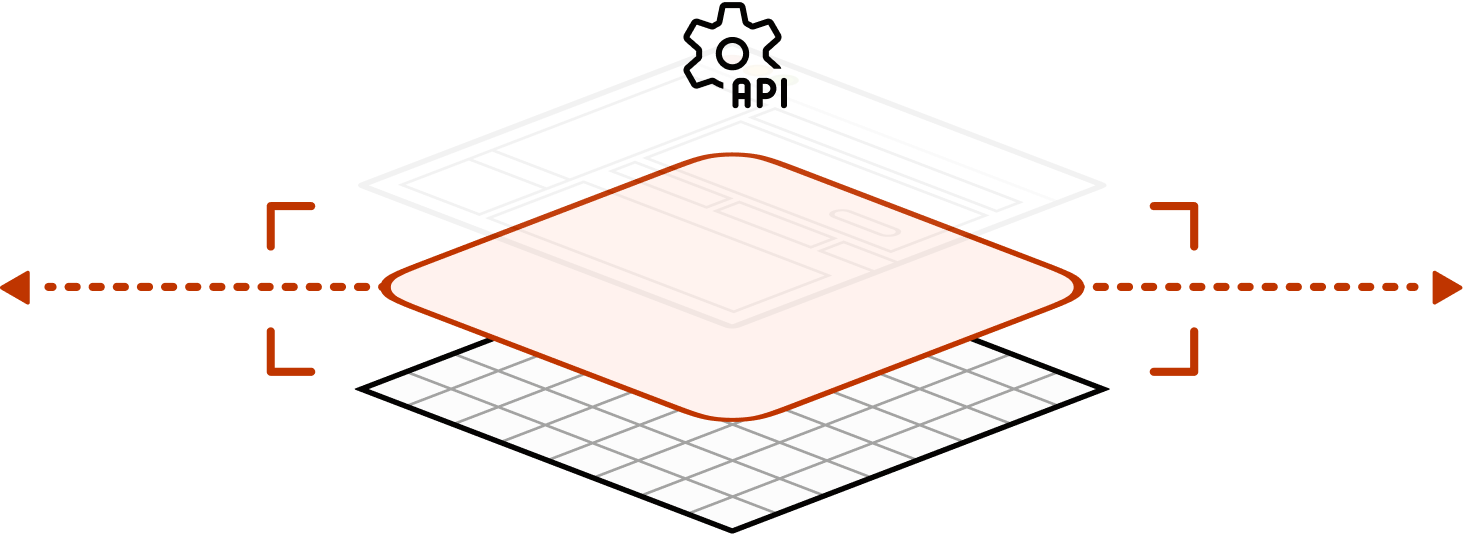
Pontil is one platform with three modules, all on the same engine. Each one turns a connectivity gap into a commercial capability.

Connect your product outward, to the customers and partners who want to integrate with it — so integration stops being the reason a deal stalls.

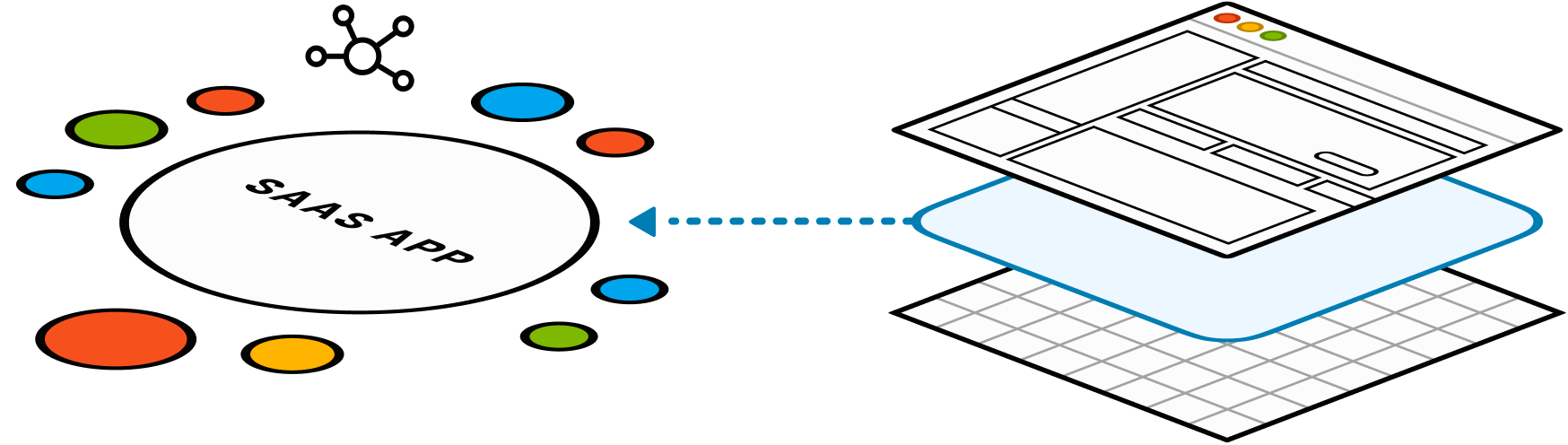
Connect external tools inward, so your product reaches the systems your customers already depend on — the bespoke, customer-specific integrations that the broad automation platforms don't cover.

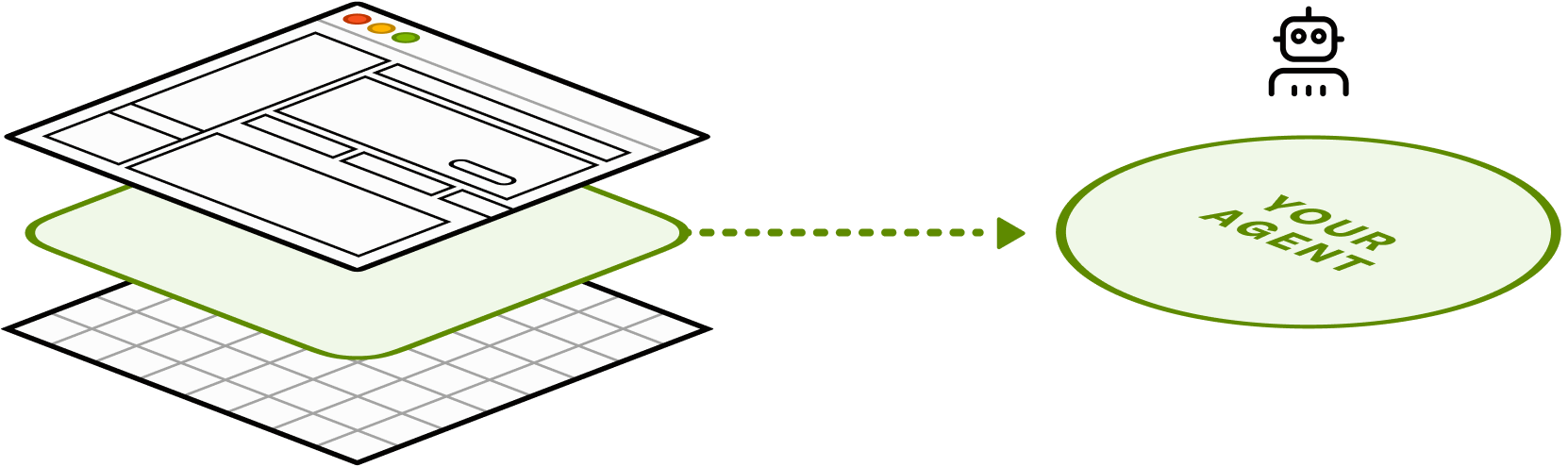
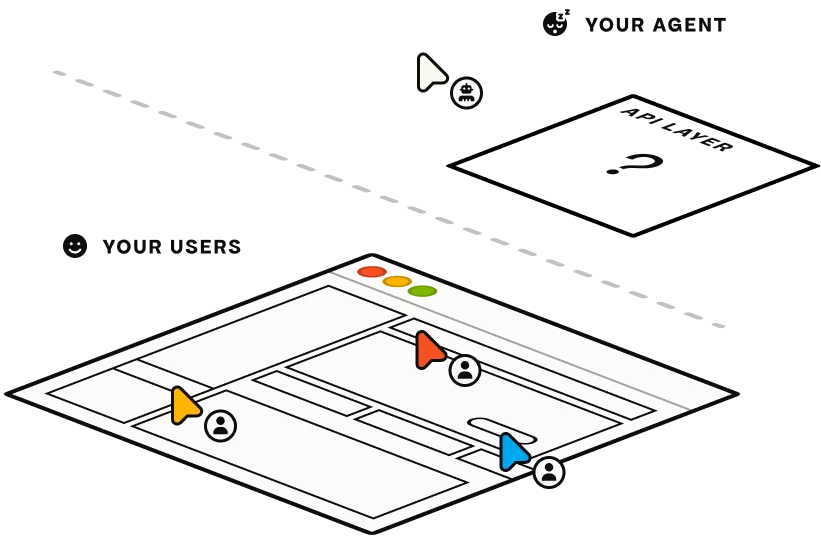
Connect your product to AI agents, so they can act on its full capability — and you can answer "are you agent-ready?" with yes.
You don't need to solve all three at once. Start where the commercial pressure is highest, and expand as the market pulls you.
Integration questions stop being the thing that stalls a deal in procurement.
The connector backlog stops competing with the product roadmap, because connectivity is generated and maintained rather than hand-built per request.
"Agent-ready" moves from a gap you defend to a capability you lead with.
Your product stays the surface buyers choose, not the system someone else's platform sits on top of.
This isn't a workaround that breaks at scale. Pontil generates connectivity from your own codebase and runs it in your infrastructure, so it holds up the way the rest of your product does, and it stays current as you ship. Your engineering team can stand behind it — which is what makes it safe to put in front of a customer. For the technical detail your team will want, point them to the Head of Engineering page or our product page.

Announcements aren't the same as shipping, and most are limited to the slice of capability a public API already exposed. The durable advantage goes to the platform that can connect its full capability — and keep it current. That's a position you can still take.
The mechanism is technical; the consequence is commercial. Whether your product can be connected — to customers, to tools, to agents — decides which deals you win and how your roadmap gets spent. That makes it a product and revenue decision your engineering team executes.
It sits in a different place. Zapier and Workato sit between finished products and automate across them. Pontil Integrations is generated from your own codebase and ships as part of your product — the bespoke, customer-specific connections that broad automation platforms were never built to cover, maintained as your product changes rather than wired up externally. One is plumbing between apps; this is your product reaching further. Different job, deliberately.
Faster than a rewrite, which is the alternative — a multi-year project that competes with everything else on the roadmap. Because Pontil generates from what you already have, the gap a deal stalls on can be closed without waiting for a rebuild.